★ REP YOUR TOWN ★ HOMETOWN GEAR ★ PRINTED TO ORDER ★ WHERE YOU FROM? ★ REP YOUR TOWN ★ HOMETOWN GEAR ★ PRINTED TO ORDER ★ WHERE YOU FROM? ★ REP YOUR TOWN ★ HOMETOWN GEAR ★ PRINTED TO ORDER ★ WHERE YOU FROM? ★ REP YOUR TOWN ★ HOMETOWN GEAR ★ PRINTED TO ORDER ★ WHERE YOU FROM? ★ REP YOUR TOWN ★ HOMETOWN GEAR ★ PRINTED TO ORDER ★ WHERE YOU FROM? ★ REP YOUR TOWN ★ HOMETOWN GEAR ★ PRINTED TO ORDER ★ WHERE YOU FROM?
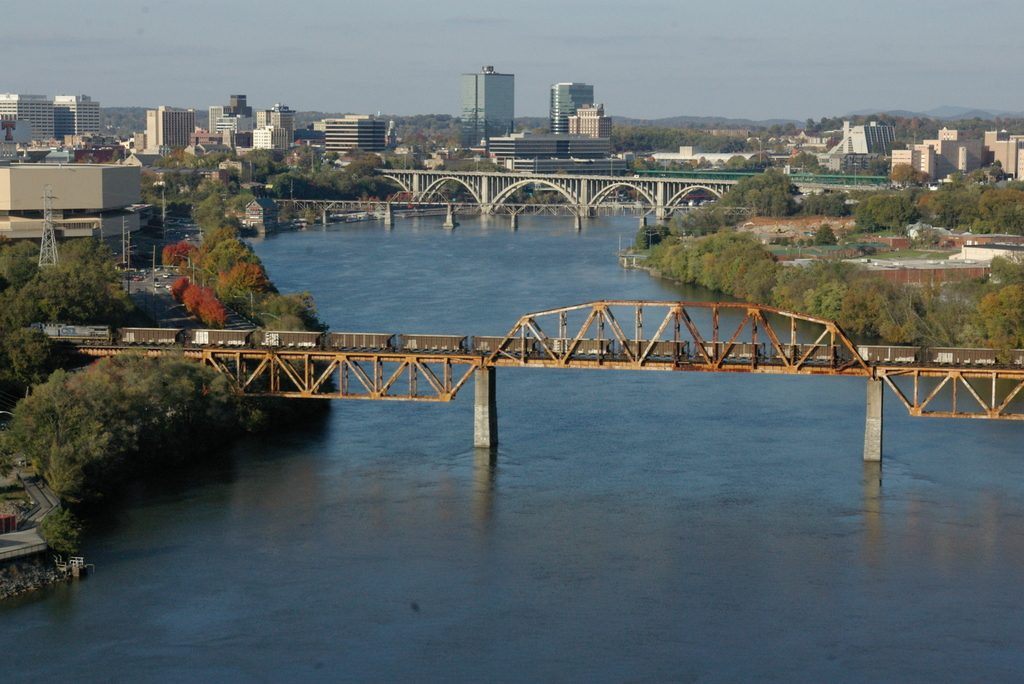
Old-school engraved artwork in burnt orange: the sun coming up over the Smokies, the Sunsphere and downtown above the Tennessee River, Knoxville arched across the top and est. 1791 underneath. Printed to order in the USA.
Heavyweight 100% cotton
Classic unisex fit
What's on this shirt
Old-school engraved artwork in burnt orange: the sun coming up over the Smokies, the Sunsphere and downtown above the Tennessee River, Knoxville arched across the top with est. 1791 underneath.
1791 is when it started. Territorial governor William Blount picked the bluff above the river as capital of the Southwest Territory that year and renamed it for Henry Knox, Secretary of War, after James White had built White's Fort there in 1786.
Gift idea: A good pick for the history buff, or anyone whose family has been in Knoxville for generations.
Questions about this shirt
Why does it say est. 1791?
Knoxville began as White's Fort in 1786, and in 1791 territorial governor William Blount renamed it Knoxville and made it capital of the Southwest Territory.
Why is it called Knoxville?
It was named for Henry Knox, Secretary of War under George Washington, by territorial governor William Blount.
What sizes and colors does it come in?
Sizes S to 3XL in 12 colors: Black, Natural, Sand, White, Sport Grey, Ash, Light Blue, Navy, Forest Green, Maroon, Military Green, Charcoal. Every size is $29.
How is it made?
Heavyweight 100% cotton, classic unisex fit. Each shirt is printed to order in the USA when you buy it.
Can I return or exchange it?
Each shirt is printed to order, so we can't take returns or exchanges for size or a change of mind. If it arrives misprinted or damaged, tell us within 30 days with a photo and we'll replace or refund it, free. Check the size chart above before you order.
A little Knoxville history
Knoxville started as White's Fort, built by Revolutionary War veteran James White in 1786 on a bluff above the river. In 1791 territorial governor William Blount picked it as capital of the Southwest Territory and renamed it for Henry Knox, Secretary of War. The town was laid out with street names borrowed from Philadelphia and Baltimore, and Blount built his home here, which doubled as the territory's capitol.
Knoxville served as an early capital of Tennessee before the seat moved to Middle Tennessee in 1818. Growth was slow until the railroad arrived in 1855, turning the town into a commercial and rail hub, which also made it a strategic target during the Civil War. The city was the site of the 1863 Siege of Knoxville, and Bleak House on Kingston Pike served as Confederate General Longstreet's headquarters during that campaign.
The 20th century brought TVA and its hydroelectric power, then the 1982 World's Fair, which left the city with the Sunsphere and World's Fair Park. Today Knoxville is Tennessee's third largest city and the anchor of East Tennessee.